

Can I grow carnivorous plants in a seed pen?
Apr 30, 2026
Hey there, plant lovers! As a supplier of seed pens, I often get asked some pretty interesting questions. One of the most unique ones I've heard lately is, "Can I grow carnivorous plants in a seed pen?" It's a question that got me thinking, so let's dive into this topic and see what we can find out.
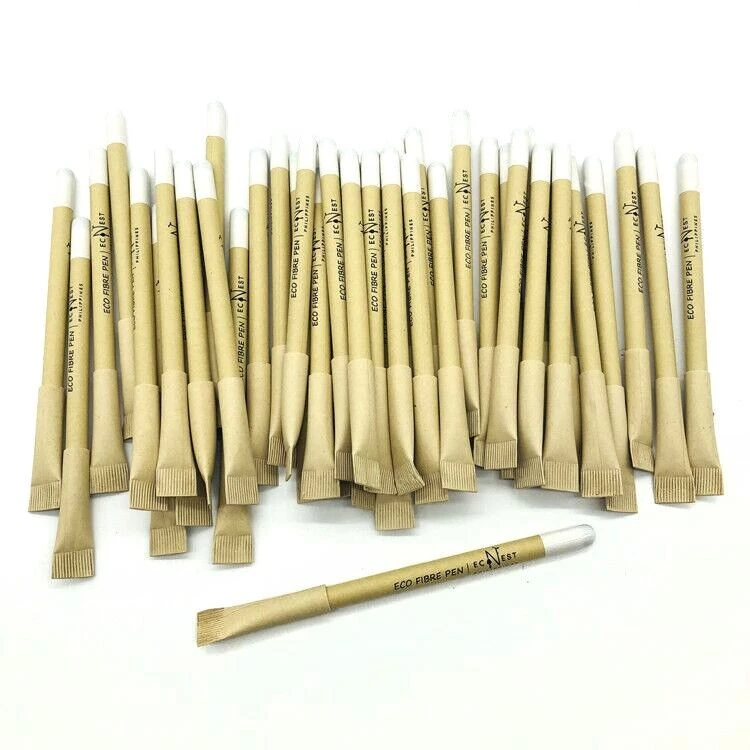
First off, let's talk a bit about what seed pens are. If you're not familiar, a Plantable Pen is an awesome eco - friendly product. It's a pen that, once you're done using it for writing, can be planted in the soil. Inside the pen, there are seeds that will germinate and grow into plants. These Plantable Seed Pens come in a variety of seed options, like flowers, herbs, and grasses.
Now, onto carnivorous plants. These are some of the most fascinating plants out there. They've evolved to catch and digest insects and other small prey to supplement their nutrient intake, especially in environments where the soil is poor in nutrients. There are different types of carnivorous plants, such as Venus flytraps, pitcher plants, and sundews.
Let's consider the growing requirements of carnivorous plants. Most carnivorous plants need a specific type of soil. They usually prefer a well - drained, acidic soil mix, often a combination of sphagnum moss and perlite. The soil in a typical seed pen is designed for more common plants like flowers and herbs. It might not have the right acidity or drainage for carnivorous plants.

Another important factor is water. Carnivorous plants are used to growing in wet, boggy conditions. They need to be watered with distilled or rainwater because tap water often contains minerals and chemicals that can harm them. In a seed pen, it's hard to maintain the right level of moisture and use the correct type of water. The pen is a small, enclosed space, and it can be challenging to keep the soil wet enough without causing waterlogging.
Light is also crucial for carnivorous plants. They generally need a lot of bright, indirect light. A seed pen, being a small and often enclosed object, might not allow for the proper amount of light to reach the plant. If the plant doesn't get enough light, it won't be able to photosynthesize effectively, and its growth will be stunted.
However, that doesn't mean it's completely impossible to grow carnivorous plants in a seed pen. With some modifications and careful attention, it might be achievable. For example, you could modify the soil inside the pen to make it more suitable for carnivorous plants. You could add sphagnum moss and perlite to the existing soil to improve drainage and acidity.
You'd also need to be very careful with watering. You could use a dropper to add distilled water to the pen regularly, making sure not to over - water. And if possible, place the seed pen in a location where it can get enough bright, indirect light, like near a window but not in direct sunlight.
If you're really set on trying to grow carnivorous plants in a seed pen, here are some steps you can take. First, choose the right type of carnivorous plant. Venus flytraps are a popular choice, but they can be a bit tricky to grow. Sundews are generally a bit more forgiving.
Next, prepare the seed pen. Take out the existing soil and replace it with a suitable carnivorous plant soil mix. Make a small hole in the soil and place the carnivorous plant seed gently inside. Cover the seed with a thin layer of soil.
Water the pen carefully with distilled water. Keep an eye on the moisture level. You can use a moisture meter if you have one. Place the pen in a well - lit area, but avoid direct sunlight.
It's important to note that growing carnivorous plants in a seed pen is an experiment. There's no guarantee that the plant will grow successfully. But it can be a fun and educational project.
As a seed pen supplier, I'm always excited to see people getting creative with our products. If you're interested in trying this experiment, we have a wide range of Plantable Seed Pens that you can use. Whether you want to grow carnivorous plants or the more traditional flowers and herbs, we've got you covered.
If you're a business looking to purchase seed pens in bulk, or if you have any questions about our products, we'd love to hear from you. We can discuss your specific needs and help you find the perfect seed pen solution for your project.
In conclusion, while growing carnivorous plants in a seed pen is a challenging task, it's not impossible. With the right knowledge, preparation, and a bit of patience, you might just be able to pull it off. So, why not give it a try? And remember, if you're interested in our seed pens, don't hesitate to reach out for more information.
References
- "The Savage Garden: Cultivating Carnivorous Plants" by Peter D'Amato
- Various scientific journals on carnivorous plant biology and cultivation