

What is the flower color of the plants from Plantable Seed Pens?
Oct 21, 2026
As a supplier of Plantable Seed Pens, I am often asked about the flower colors of the plants that grow from these innovative products. Plantable Seed Pens are not just writing instruments; they are a sustainable and eco - friendly way to bring a touch of nature into our lives.
Understanding Plantable Seed Pens
Plantable Seed Pens, available at Plantable Seed Pens, are unique in that they combine the functionality of a pen with the potential to grow beautiful plants. Each pen is embedded with seeds, and once the pen has served its writing purpose, it can be planted in soil. With proper care, these seeds will germinate and grow into lovely plants.
Common Flower Colors
The flower colors of the plants from Plantable Seed Pens can vary widely, depending on the type of seeds used. Here are some of the most common flower colors and the associated plant species:
1. Red
Red is a vibrant and eye - catching color. One of the plants that might be included in the seeds of a Plantable Pen is the Petunia. Petunias come in a range of red shades, from deep crimson to bright scarlet. They are known for their trumpet - shaped flowers and are very popular in gardens. Another red - flowered plant could be the Geranium. Geraniums have clusters of red blooms and are relatively easy to grow. They are often used in window boxes and flower beds.
2. Pink
Pink is a soft and romantic color. Dianthus is a plant that often produces pink flowers. Dianthus has a spicy - sweet fragrance and its petals have a fringed appearance. Another pink - flowered option is the Cosmos. Cosmos flowers are daisy - like and come in various shades of pink, from pale blush to hot pink. They are great for attracting butterflies to the garden.
3. Purple
Purple flowers add a touch of elegance. Lavender is a well - known purple - flowered plant. It has a distinctive fragrance and is often used in aromatherapy. The Salvia plant also produces purple flowers. Salvia has long spikes of flowers and is a favorite among pollinators.
4. Yellow
Yellow flowers bring a sunny and cheerful vibe. Marigolds are a common yellow - flowered plant. They are easy to grow and are often used as companion plants in vegetable gardens to deter pests. Sunflowers are another well - known yellow - flowered plant. Their large, bright heads can reach impressive sizes and are a symbol of summer.
5. White
White flowers are often associated with purity and simplicity. Daisies are a classic white - flowered plant. They have a simple yet charming appearance. Another white - flowered option is the Lily of the Valley. It has small, bell - shaped white flowers and a sweet fragrance.
Factors Affecting Flower Color
The flower color of the plants from Plantable Seed Pens can be influenced by several factors:
1. Genetic Makeup
The genetic code of the plant determines the base color of its flowers. Different plant species have specific genes that control the production of pigments such as anthocyanins (which can produce red, purple, and blue colors) and carotenoids (which are responsible for yellow and orange colors).
2. Environmental Conditions
The environment in which the plant grows can also affect flower color. For example, soil pH can influence the color of some flowers. Hydrangeas, for instance, can change color depending on the acidity of the soil. In acidic soil, they tend to produce blue flowers, while in alkaline soil, they produce pink flowers. Temperature and light intensity can also play a role. Some plants may produce more intense colors in full sun, while others may have paler colors in shaded areas.
3. Nutrient Availability
The availability of nutrients in the soil can impact flower color. For example, a lack of certain minerals like phosphorus or potassium can affect the development of pigments in the flowers. Adequate fertilization can help ensure that the plants produce healthy and vibrant - colored flowers.
The Appeal of Plantable Seed Pens
The variety of flower colors that can be grown from Plantable Seed Pens makes them an attractive option for many reasons.
1. Educational Value
For schools and educational institutions, Plantable Seed Pens offer a hands - on way to teach students about plant growth and the importance of sustainability. Students can observe the different stages of plant development and learn about the factors that affect flower color.
2. Decorative Purposes
The colorful flowers that grow from these pens can be used to decorate homes, offices, and public spaces. They add a natural and aesthetic touch to any environment.
3. Environmental Benefits
By using Plantable Seed Pens, we are contributing to a more sustainable future. The plants that grow from these pens help to improve air quality, provide habitat for pollinators, and reduce the amount of waste going to landfills.
Our Offer as a Supplier
As a supplier of Plantable Pen, we take pride in offering high - quality products. Our Plantable Seed Pens are carefully crafted to ensure that the seeds are of the best quality and have a high germination rate. We offer a variety of seed mixes, each with a unique combination of flower colors.
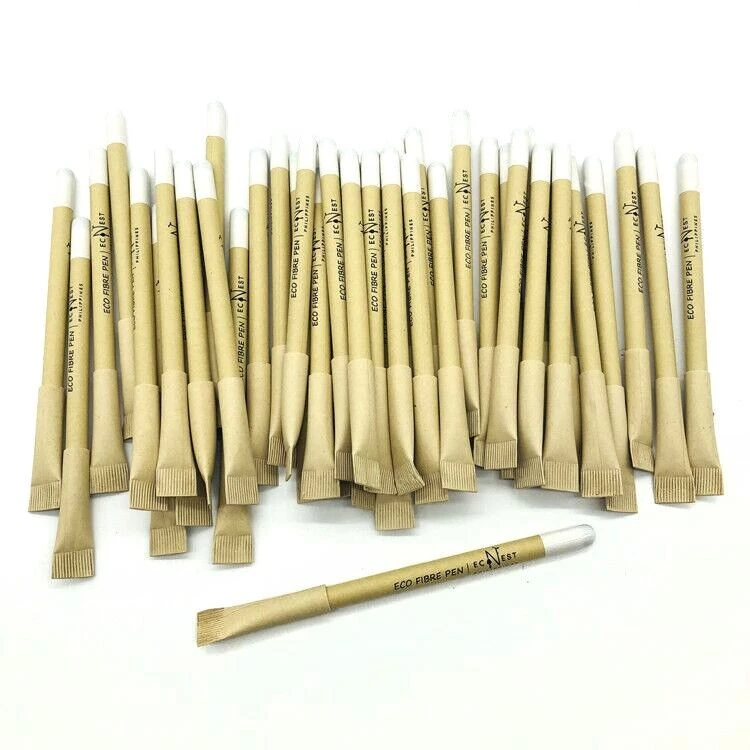

Whether you are a retailer looking to stock an eco - friendly product, a school seeking an educational tool, or an individual interested in adding some greenery to your life, we are here to meet your needs. We can provide customized solutions, such as branding the pens with your logo or choosing specific seed mixes to match your preferences.
If you are interested in purchasing Plantable Seed Pens, we encourage you to reach out to us for a detailed discussion. We can provide you with samples, pricing information, and any other details you may need. Let's work together to bring the beauty of nature into our daily lives through these amazing Plantable Seed Pens.
References
- "Botany for Beginners" by Jane Smith. This book provides a comprehensive overview of plant biology, including information on flower pigments and how they are produced.
- "The Gardener's Guide to Sustainable Gardening" by John Doe. It offers insights into the environmental benefits of growing plants and how to care for them in an eco - friendly way.
- Online resources from horticultural societies, which provide up - to - date information on different plant species and their flower colors.