

Are there any specific planting instructions for Plantable Seed Pens?
Dec 18, 2025
Are there any specific planting instructions for Plantable Seed Pens?
As a supplier of Plantable Seed Pens, I'm often asked about the specific planting instructions for these innovative and eco - friendly products. Plantable Seed Pens are not only a great writing tool but also a fun and sustainable way to grow plants. In this blog, I'll walk you through the step - by - step process of planting these unique pens.
Understanding the Basics of Plantable Seed Pens
Plantable Seed Pens are designed with a biodegradable barrel that contains a mix of seeds. Once the pen runs out of ink or you're ready to plant, you can use it to grow various plants, such as herbs, flowers, or vegetables. The seeds are carefully selected and enclosed in the pen to ensure a high germination rate.
Pre - planting Preparations
Before you start planting your Plantable Pen, there are a few things you need to do. First, choose a suitable location for planting. Most seeds in Plantable Seed Pens prefer a spot that gets plenty of sunlight, but some shade - loving plants may require a location with partial shade. If you're planting indoors, a south - facing window is usually a good choice.

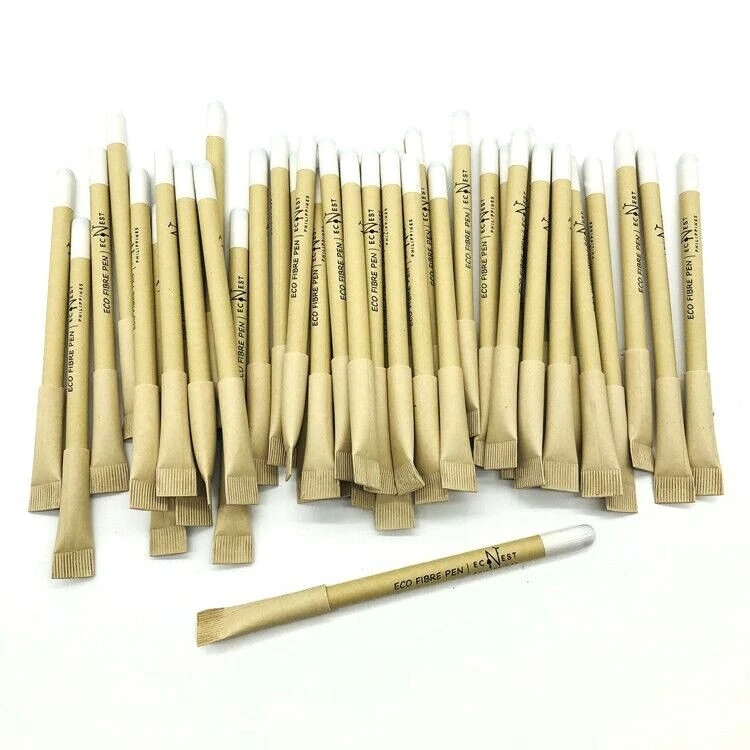
Next, gather the necessary materials. You'll need a small pot or container, potting soil, and water. Make sure the pot has drainage holes at the bottom to prevent waterlogging. The potting soil should be rich in nutrients and well - draining. You can buy a pre - mixed potting soil from a garden center or make your own by combining equal parts of peat moss, perlite, and vermiculite.
The Planting Process
- Prepare the Pen: If the pen still has ink, you can continue using it until it's empty. Once you're ready to plant, remove the pen cap and the ink cartridge. You can keep the cap for reuse or recycle it. The remaining biodegradable barrel of the pen contains the seeds.
- Soak the Pen: Place the pen in a bowl of water and let it soak for about 24 hours. This will help to soften the pen barrel and make it easier for the seeds to germinate. During this time, the pen will absorb water and start to break down slightly.
- Fill the Pot: Fill the pot with potting soil, leaving about an inch of space at the top. Gently press the soil down to remove any air pockets. Make a small hole in the center of the soil, about half an inch deep.
- Plant the Pen: Take the soaked pen out of the water and place it in the hole you made in the soil. Cover the pen with a thin layer of soil, about 1/4 inch thick. Make sure the pen is completely covered, but don't pack the soil too tightly around it.
- Water the Plant: Water the soil gently until it's evenly moist. Avoid over - watering, as this can cause the seeds to rot. You can use a spray bottle to water the soil to ensure a gentle and even distribution of water.
- Provide the Right Conditions: Place the pot in the chosen location. If it's outdoors, make sure it's protected from strong winds and heavy rain. If it's indoors, keep the pot away from drafts and heating vents. The ideal temperature for seed germination is usually between 65°F and 75°F (18°C - 24°C).
Post - planting Care
After planting, it's important to provide proper care for the seeds to ensure successful germination and growth.
- Watering: Keep the soil moist but not waterlogged. Check the soil daily by sticking your finger about an inch into the soil. If it feels dry, it's time to water. You may need to water more frequently during hot and dry weather or if you're growing the plants indoors with low humidity.
- Fertilizing: Once the seedlings have emerged, you can start fertilizing them. Use a balanced liquid fertilizer, diluted according to the instructions on the package. Fertilize the plants every two weeks during the growing season.
- Thinning the Seedlings: If multiple seedlings emerge from the pen, you may need to thin them out. This means removing the weaker seedlings to give the stronger ones more space to grow. Use a pair of scissors or tweezers to carefully snip off the unwanted seedlings at the soil level.
- Transplanting: As the plants grow, they may outgrow the small pot. When the roots start to appear through the drainage holes or the plants become crowded, it's time to transplant them into a larger pot or into the garden. Make sure to transplant the plants on a cloudy day or in the evening to reduce stress on the plants.
Troubleshooting
Sometimes, things may not go as planned during the planting process. Here are some common problems and solutions:
- No Germination: If the seeds don't germinate after a few weeks, it could be due to several reasons. The soil may be too dry or too wet, the temperature may be too low or too high, or the seeds may be old or damaged. Check the soil moisture and temperature, and make sure the pen was soaked properly before planting. If all else fails, you can try planting another pen.
- Mold or Fungus: If you notice mold or fungus growing on the soil surface, it's usually a sign of over - watering or poor air circulation. Reduce the frequency of watering and make sure the pot has good drainage. You can also remove the affected soil and replace it with fresh soil.
- Pests: Common pests that may affect the plants include aphids, spider mites, and whiteflies. You can control these pests by using natural remedies such as neem oil, insecticidal soap, or a strong stream of water. If the infestation is severe, you may need to use a chemical pesticide, but make sure to follow the instructions carefully.
Benefits of Plantable Seed Pens
Plantable Seed Pens offer several benefits. Firstly, they are an eco - friendly alternative to traditional pens. The biodegradable pen barrels reduce waste and help to protect the environment. Secondly, they are a great educational tool. They can be used in schools, nurseries, and community centers to teach children about plant growth and sustainability. Finally, they make a unique and thoughtful gift. Whether it's for a friend, family member, or business associate, a Plantable Seed Pen is a gift that keeps on giving.
Conclusion
In conclusion, planting Plantable Seed Pens is a simple and rewarding process. By following the specific planting instructions outlined above, you can enjoy watching the seeds germinate and grow into beautiful plants. Whether you're a seasoned gardener or a beginner, these pens offer a fun and sustainable way to add a touch of green to your life.
If you're interested in purchasing Plantable Seed Pens for your business, school, or personal use, I'd love to have a discussion with you about your needs. Feel free to reach out to me to start a procurement negotiation. I'm confident that our high - quality Plantable Seed Pens will meet your expectations and provide a great experience for you and your customers.
References
- "The Complete Guide to Container Gardening", Smith, John. 2020.
- "Seeds: The Definitive Guide to Growing and Saving Seeds", Johnson, Mary. 2019.
- "Eco - Friendly Gardening Practices", Green, Sarah. 2021.